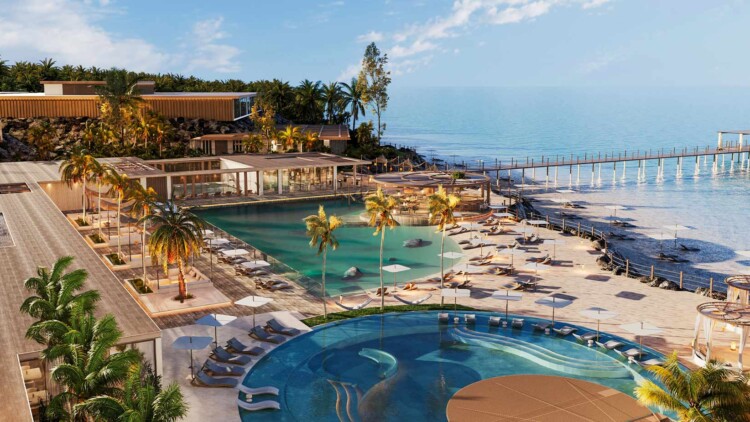
Is your dream to own a slice of paradise on the Swahili Coast? With its peaceful white-sand beaches, rich culture combined with the growing appeal as an ideal investment destination, Zanzibar is the hot topic among international property seekers. But one question often surfaces, can foreigners buy property in Zanzibar? The overall answer is yes, but not in the way you might expect. Understanding Zanzibar property laws is essential before entering the Zanzibar real estate market.
So, if you’re asking yourself can foreigners buy property in Zanzibar, this guide breaks down everything you need to know.
Property Investment in Zanzibar
Zanzibar’s real estate market is quickly gaining traction among global investors, retirees, and lifestyle seekers. Its blend of pristine beaches, rich cultural heritage, and relatively affordable property options make it one of the most desirable island destinations in East Africa. As interest grows, many are asking: can foreigners buy property in Zanzibar? With its growing appeal, understanding foreign ownership in Zanzibar is key to making a successful investment, especially in areas that promise the best return.
Zanzibar’s Real Estate Market at a Glance
Can foreigners buy property in Zanzibar? While the typical freehold model is not available, long-term lease options provide exciting opportunities for non-residents.
- Variety of Properties: Residential, commercial, and hospitality options available.
- Affordable Investment: Lower costs compared to the Maldives and Seychelles.
- Beachfront Land: Growing availability of plots for villas and boutique hotels.
- Government Support: ZIPA facilitates large-scale development projects.
The Zanzibar real estate market is very quickly gaining popularity among global investors, retirees, as well as lifestyle seekers. Its the perfect blend of pristine beaches, rich cultural heritage, and relatively affordable property options make it one of the most desirable island destinations in East Africa. As the interest grows, many are asking: can foreigners buy property in Zanzibar? Understanding foreign ownership in Zanzibar is important to make a successful investment.
Zanzibar’s Real Estate Market at a Glance
Can foreigners buy property in Zanzibar? While the typical freehold model is not available, long-term lease options provide exciting opportunities for non-residents.
- Variety of properties include residential, commercial, and hospitality options available.
- Lower costs as compared to the Maldives or even Seychelles.
- Government support through ZIPA facilitates for large-scale development projects.
Popular Areas for Property Investment in Zanzibar
Zanzibar offers distinct zones, each catering to different types of investors. Can foreigners buy property in Zanzibar? While foreign ownership in Zanzibar doesn’t allow outright land ownership, these areas provide excellent opportunities for long-term leases and investment.
Stone Town
- A UNESCO World Heritage Site renowned for its historic architecture and vibrant cultural atmosphere.
- Ideal for boutique hotels, restored colonial buildings, cafes, and Airbnb rentals.
- Restrictions on architectural modifications due to heritage status.
Kendwa and Nungwi (North Coast)
- Zanzibar’s most popular beach destinations with calm turquoise waters and lively resort activity.
- Ideal for luxury villas, beachside resorts, vacation rentals.
- High occupancy rates, spectacular sunsets, nightlife, and watersports.
Paje and Jambiani (East Coast)
- Quieter yet trendy coastal towns, known for kitesurfing and digital nomad-friendly spaces.
- Ideal for mid-range villas, bungalows, wellness retreats.
- Laid-back lifestyle, growing popularity among eco-tourists and younger travelers.
Matemwe and Kiwengwa (Northeast)
- Ideal for retirement homes, beachfront compounds, private residences.
- Secluded beaches, authentic local life, untouched charm.
- Limited nightlife and amenities compared to Nungwi or Paje.
Can Foreigners Buy Property in Zanzibar?
Yes, foreigners can buy property for sale in Zanzibar, but with certain restrictions due to Zanzibar property laws. While full foreign ownership in Zanzibar is not allowed, there is an alternative. This option allows foreigners to legally lease land for a long period, effectively providing them with the ability to enjoy property rights in Zanzibar.
Leasehold vs. Freehold Ownership in Zanzibar
Foreigners interested in buying property in Zanzibar need to understand the key differences between leasehold and freehold ownership.
Ownership Type | Description | Allowed for Foreigners? | Key Details |
Freehold Ownership | Full ownership of land and property indefinitely. | ❌ Not allowed for foreigners | In Zanzibar, land is state-owned, so foreigners cannot own land outright. |
Leasehold Ownership | Lease of land from the government or a local owner for a fixed period (usually 33, 66, or 99 years). | ✅ Allowed for foreigners | Foreigners can lease land for up to 99 years with the option for renewal or transfer. |
The 99-Year Lease System for Foreigners
While foreign ownership in Zanzibar is not possible, the 99-year lease system provides a practical solution for buying property in Zanzibar.
- Foreigners can lease land through the Zanzibar Investment Promotion Authority (ZIPA), which ensures that the land use complies with zoning and land regulations.
- The lease can be transferred or resold to another party with government approval, allowing foreigners flexibility in managing their property investments.
- Leased properties can be used for residential, commercial, or tourism-related purposes, like luxury villas, resorts, or vacation rentals, making it an attractive option for those interested in the tourism sector.
Zanzibar Property Laws Explained
Understanding Zanzibar property laws is essential for foreign investors looking to purchase property on the island. The legal framework governing property ownership in Zanzibar is designed to ensure state control over land while still allowing foreign ownership through long-term leasehold agreements.
Constitutional and Land Ownership Structure
In Zanzibar, all land is considered property of the state, and this is a foundational aspect of the country’s legal system.
- State Ownership: The Zanzibar Constitution affirms that land cannot be privately owned. Instead, land is allocated by the government under the right of occupancy.
- Foreign Restrictions: Foreigners cannot own land outright but can lease land for 99 years under the leasehold system.
- Local Ownership: Zanzibar citizens are granted rights of occupancy, allowing them to use and develop land but not to own it in the freehold sense.
Land Act of 1992 and Its Implications
The Land Act of 1992 plays a critical role in regulating land use, ownership, and the leasing process in Zanzibar.
- The Act allows foreigners to lease land for up to 99 years, providing long-term property rights similar to ownership.
- All leases must be officially registered with the Zanzibar Land Registry for legal validation.
- Leases can be transferred or sold to others, subject to government approval. This makes it easier for foreigners to exit their investment if desired.
Difference Between Land Ownership in Zanzibar vs Mainland Tanzania
While both Zanzibar and mainland Tanzania share similar constitutional principles regarding land ownership, there are significant differences between the two regions:
Aspect | Zanzibar | Mainland Tanzania |
Land Ownership | All land is owned by the state; foreigners can only lease land for up to 99 years. | Freehold ownership is available for Tanzanians; foreigners can lease land for up to 99 years. |
Land Act | Governed by the Land Act of 1992. | Governed by the Land Act of 1999. |
Zoning and Development | Specific zoning regulations enforced by ZIPA. | Broad zoning laws regulated by the Ministry of Lands. |
Foreign Ownership | Foreigners can lease land but not own it. | Foreigners can lease land and, in some cases, acquire it with a local partner. |
The Role of the Ministry of Lands and ZIPA
The Ministry of Lands and the Zanzibar Investment Promotion Authority (ZIPA) are the two primary government bodies overseeing land use and property transactions in Zanzibar.
Ministry of Lands
- The Ministry of Lands is responsible for land allocation, property registration, and ensuring that all land transactions adhere to Zanzibar’s legal framework.
- All leases and property transactions must be processed through the Ministry for legal validity.
ZIPA (Zanzibar Investment Promotion Authority):
- ZIPA is key in facilitating foreign investments and ensuring compliance with local laws, especially for 99-year lease agreements.
- ZIPA offers guidance to foreign investors and assists with navigating the zoning laws, land allocations, and obtaining necessary government approvals for property development.
Can Foreigners Buy Property in Zanzibar: Step-by-Step Process
Investing in property in Zanzibar requires following a clear set of steps to ensure the transaction is legal, smooth, and beneficial.
Step 1: Due Diligence and Choosing a Reputable Agent
- Verify Property Ownership: Ensure the property has a clear title and is available for lease. Check if it is listed in the Zanzibar Land Registry.
- Confirm Legal Status: The land should not be subject to any legal disputes, encumbrances, or pending court cases.
- Review Leasehold Rights: Ensure the property qualifies for a 99-year leasehold agreement for foreigners under Zanzibar property laws.
- Hire a Local Lawyer: Engage a qualified local property lawyer to verify all property documents and provide legal guidance.
- Choose a Reputable Agent: Select a licensed real estate agent with experience in Zanzibar real estate and a proven track record with international clients.
Step 2: Obtaining Government Approvals
- Zanzibar Investment Promotion Authority (ZIPA): Foreign investors must submit a property application to ZIPA, which verifies the land’s availability for lease and ensures it meets zoning regulations.
- Ministry of Lands Approval: The Ministry of Lands will confirm that the land is eligible for 99-year leasehold and that the transaction complies with all legal requirements.
- Zoning and Development Approval: Ensure that the property is located in a permitted zoning area for your intended use, whether residential, commercial, or tourism-related.
Step 3: Negotiating and Signing the Lease Agreement
- Negotiate Lease Terms: Work with your lawyer and agent to negotiate key terms such as the lease duration (typically 99 years), renewal options, and permitted land use (e.g., residential, commercial).
- Review the Agreement: Ensure all terms are clear and favorable. Have a local lawyer review the agreement to avoid any ambiguity or hidden clauses.
- Sign the Lease Agreement: Both parties (lessor and lessee) sign the lease agreement. This document will outline the specific rights and obligations of both parties during the lease period.
Step 4: Registering the Lease
- Submit the Lease for Registration: Submit the signed lease agreement to the Zanzibar Land Registry for registration. This step formalizes your rights and makes the lease legally enforceable.
- Pay Registration Fees: There will be a registration fee to process the lease. This fee covers administrative costs and is generally a small percentage of the property value.
- Obtain a Registered Copy: Once registered, you will receive an official, registered copy of your lease agreement, which ensures that the land is legally yours for the agreed lease period.
Step 5: Paying the Costs Involved
- Legal Fees: Lawyers typically charge between 1% to 3% of the property’s value for their services, including document review and contract negotiation.
- Stamp Duty: Stamp duty is generally 2% of the property’s value and is payable when the lease is registered.
- Registration Fees: Fees for registering the lease with the Zanzibar Land Registry can vary but are generally a small percentage of the property value.
- Agent Fees: Real estate agents charge between 3% to 5% of the property price as their commission for facilitating the transaction.
Step 6: Finalizing the Property Transfer
- Receive Title: After registration, you will receive an official title confirming your leasehold ownership for the agreed period.
- Develop or Use the Property: You are free to develop, lease, or use the property according to the terms of the lease agreement.
- Keep Documents Safe: Store all legal documents related to the property, including the lease agreement, registration, and receipts of payments, in a secure place.
Can foreigners buy property in Zanzibar? Yes, they can. With the right knowledge and guidance, investing in Zanzibar presents a unique opportunity in a vibrant and growing market, offering great potential for those looking to make a long-term investment.
Invest in Zanzibar’s future. Partner with Infinity Developments and Anantara Zanzibar to explore both prime real estate investments and luxurious resort living. Discover more and elevate your lifestyle today.